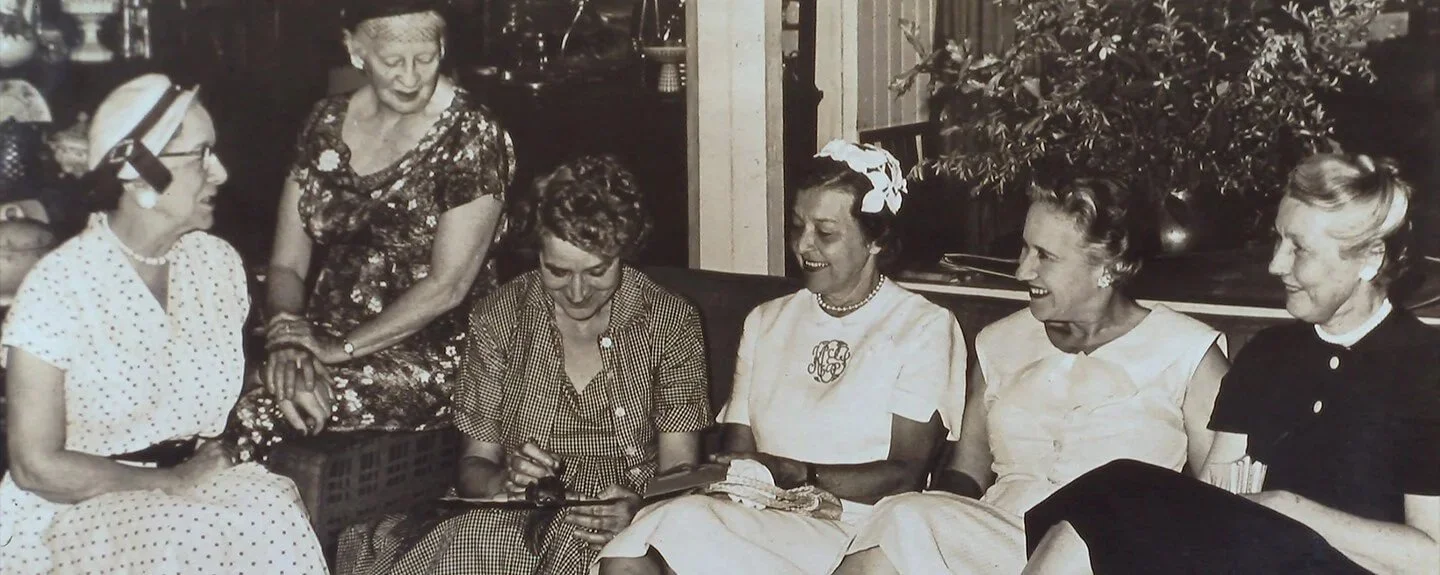
The Seven Ladies: In Service of Savannah
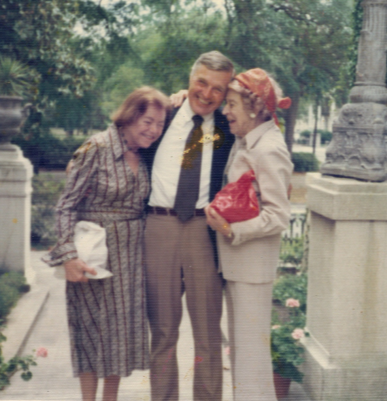
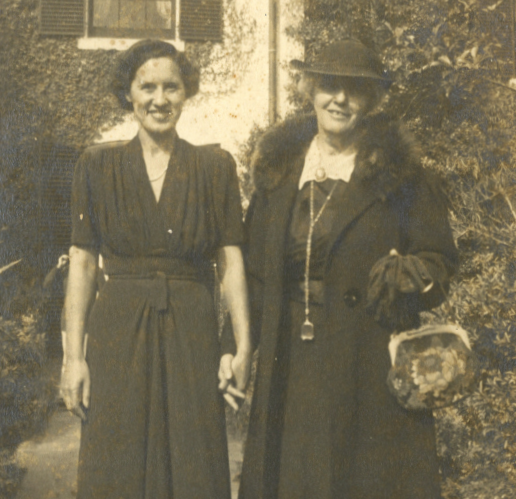
In the years following World War II, a powerful tide of modernization swept across American cities. After decades marked by depression, war, and uncertainty, a growing number of people felt a strong desire to start fresh and build a new world. Savannah was no exception. Refusing to accept that loss, seven remarkable women united to protect the city's architectural heritage. Drawing on their experience, leadership, and deep commitment to public service, these civic leaders formed a coalition and a movement that would change the future of Savannah.
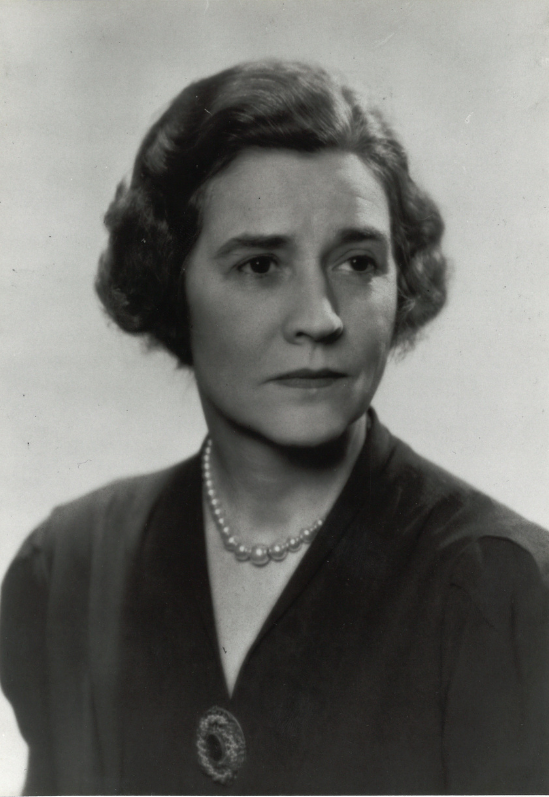
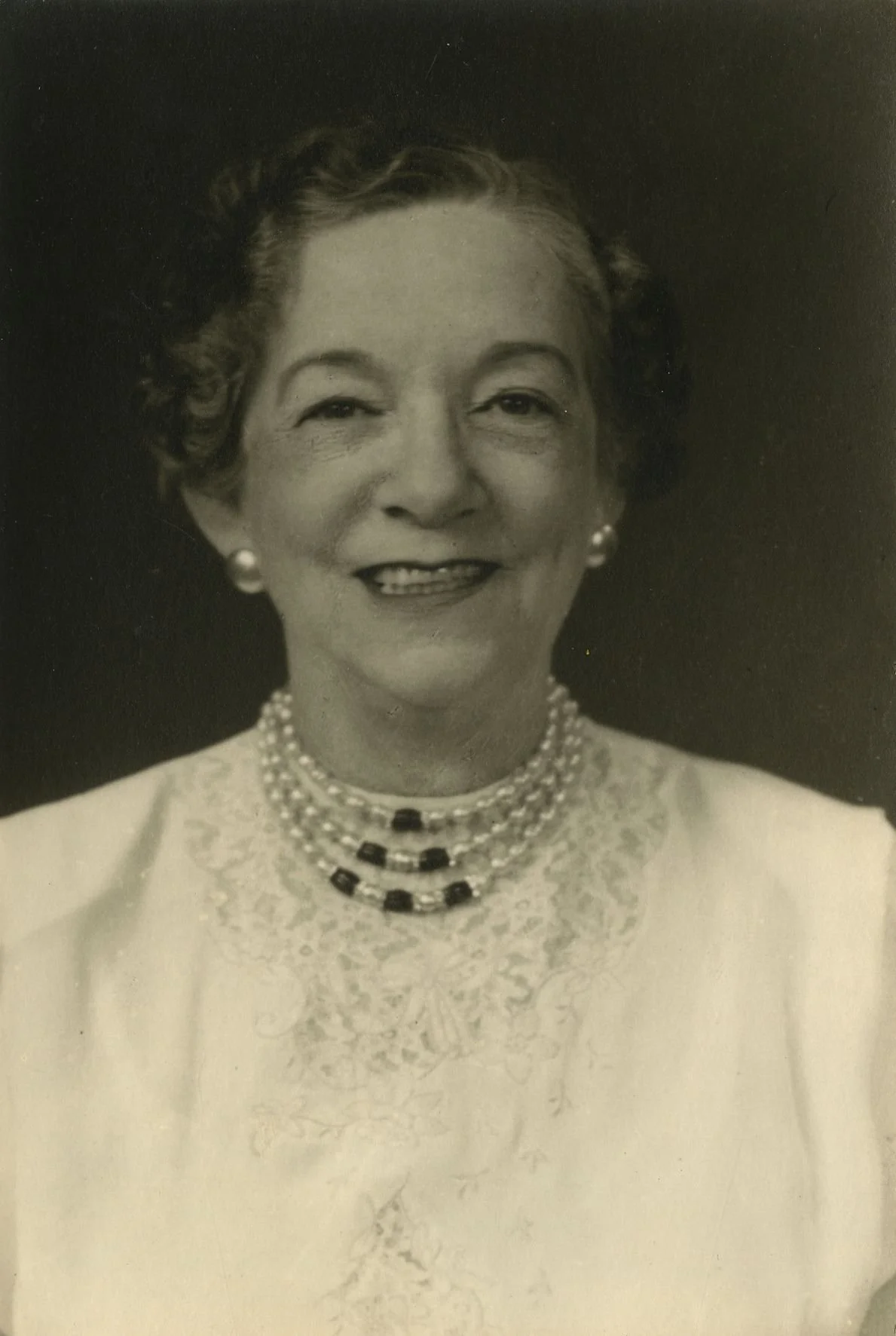
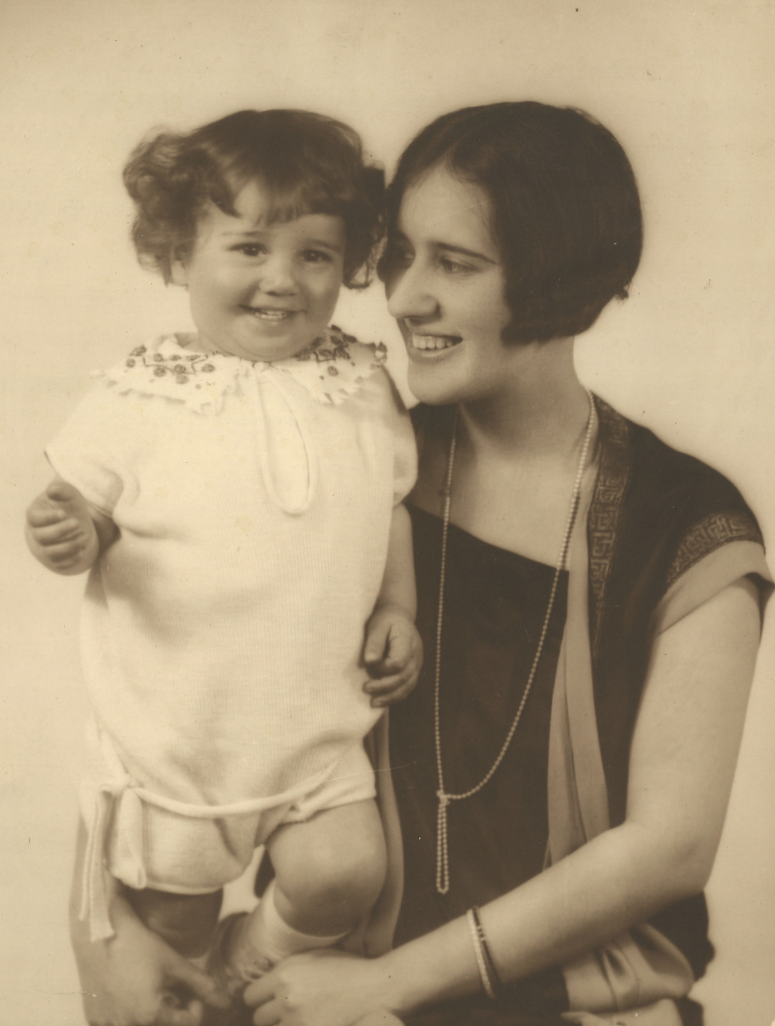
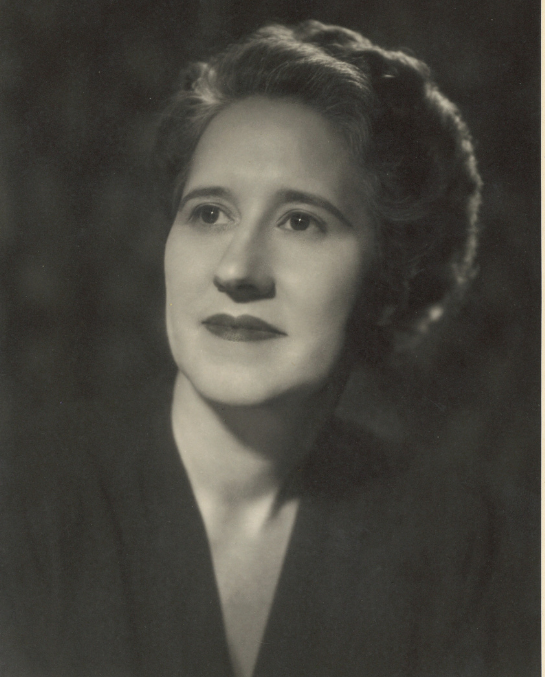
Foltz Photography Studio (Savannah, GA). "Mrs. Louis J. Roos (Nola)." n.d. GHS 1360, Cordray-Foltz
Photography Studio photographs. GHS 1360-PH-26-07-02. Georgia Historical Society, Savannah, Georgia.
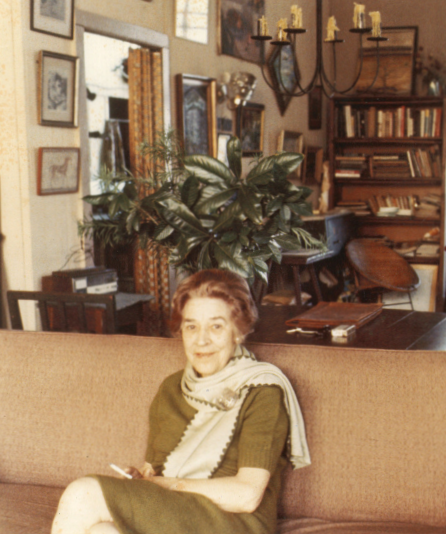
Anna Colquitt Hunter
Anna Colquitt Hunter was, by nature, a person who became involved. From her college years through adulthood, she immersed herself in civic life, journalism, and the arts, earning a reputation as a talented organizer and community leader. Her curiosity led her to become both an art critic and an accomplished painter, while her service as a Red Cross club director in North Africa and Italy during World War II strengthened her ability to lead complex projects and bring people together.
After the war, Hunter turned her attention to the rapid loss of Savannah's historic buildings. Seeing both what was disappearing and what could still be saved, she brought together the six women who would become Historic Savannah Foundation's "Seven Ladies," launching a preservation movement that forever changed the future of Savannah.
Nola McEvoy Roos
Nola McEvoy Roos built a groundbreaking career in business and government at a time when few women held leadership roles. During World War II, she directed public relations for Civil Defense, later served as a district census director, and in 1949 became Savannah's first woman appointed to a top-level administrative position as Clerk of Council. Her experience navigating government, business, and public service helped give the preservation movement the organization and political insight it needed to succeed.
Katharine “Kass” Judkins Clark
Katharine "Kass" Judkins Clark combined disciplined leadership with a deep commitment to historic preservation. After serving with the American Red Cross during both World Wars, she became a leader at the Telfair Museum, where she chaired the restoration of the Owens-Thomas House. Her ability to raise funds, manage complex projects, and uphold high standards made her an essential force in Savannah's early preservation movement.

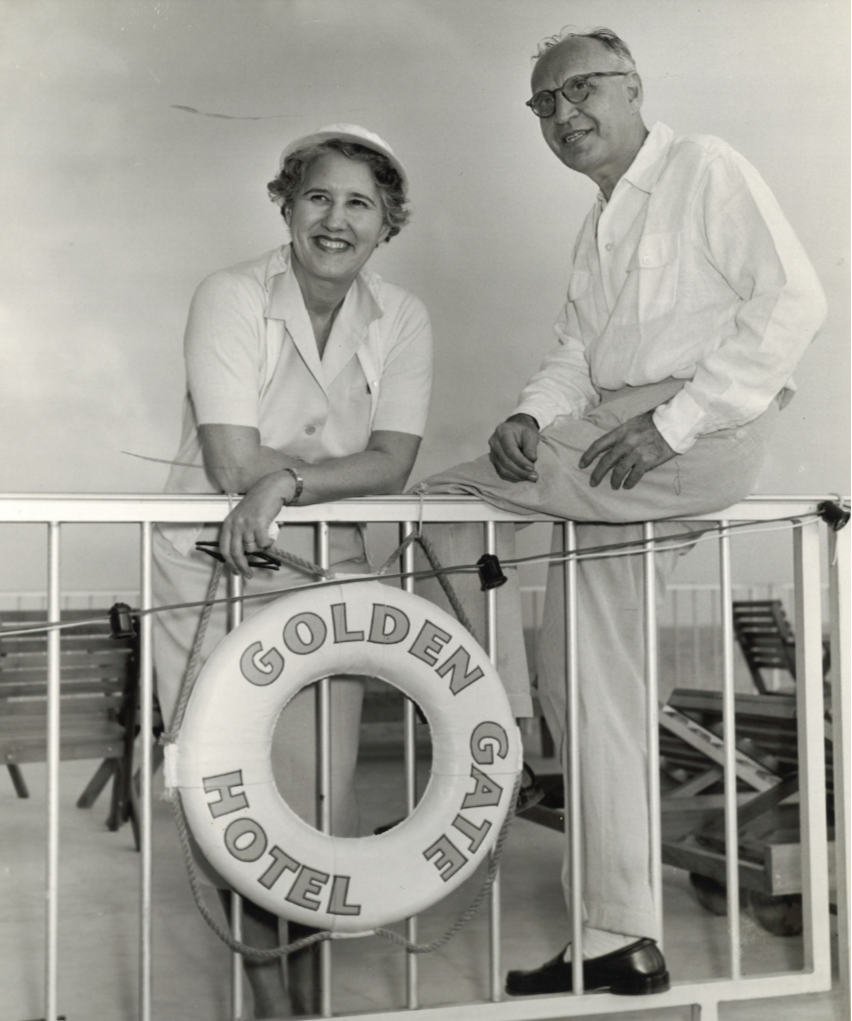
Dorothy “Dickie” Ripley Roebling
Dorothy Ripley Roebling brought a broad perspective shaped by extensive travel and public service. Married into the Roebling family, builders of the Brooklyn Bridge, she traveled the world aboard the family yacht, the Black Douglas, before settling on Skidaway Island. Having seen historic places transformed by modern development, she recognized Savannah's unique character and became a committed advocate for its preservation.
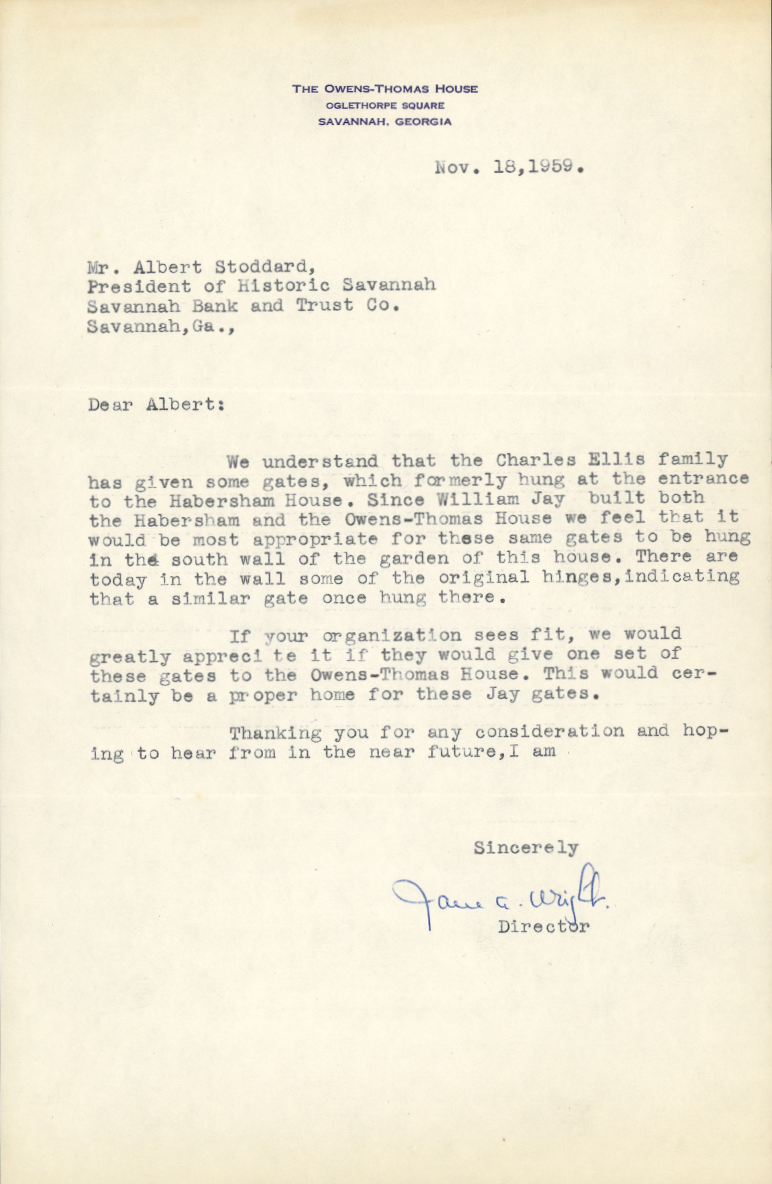
Jane Adair Wright
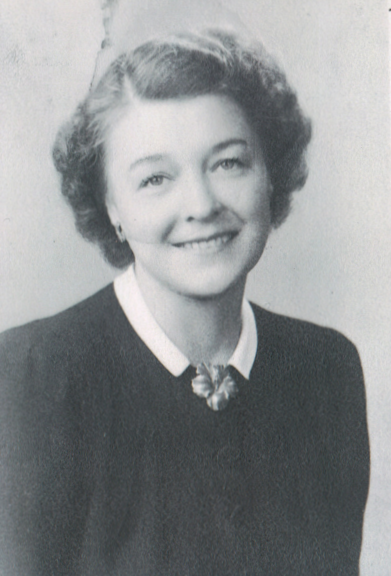
Jane Adair Wright devoted her career to preserving Savannah's history through museums, historic sites, and community organizations. As the first curator of the Owens-Thomas House and later temporary curator of the Davenport House, she helped shape two of the city's most important historic house museums. Her expertise in the decorative arts and dedication to preservation brought invaluable knowledge to the founding of Historic Savannah Foundation.
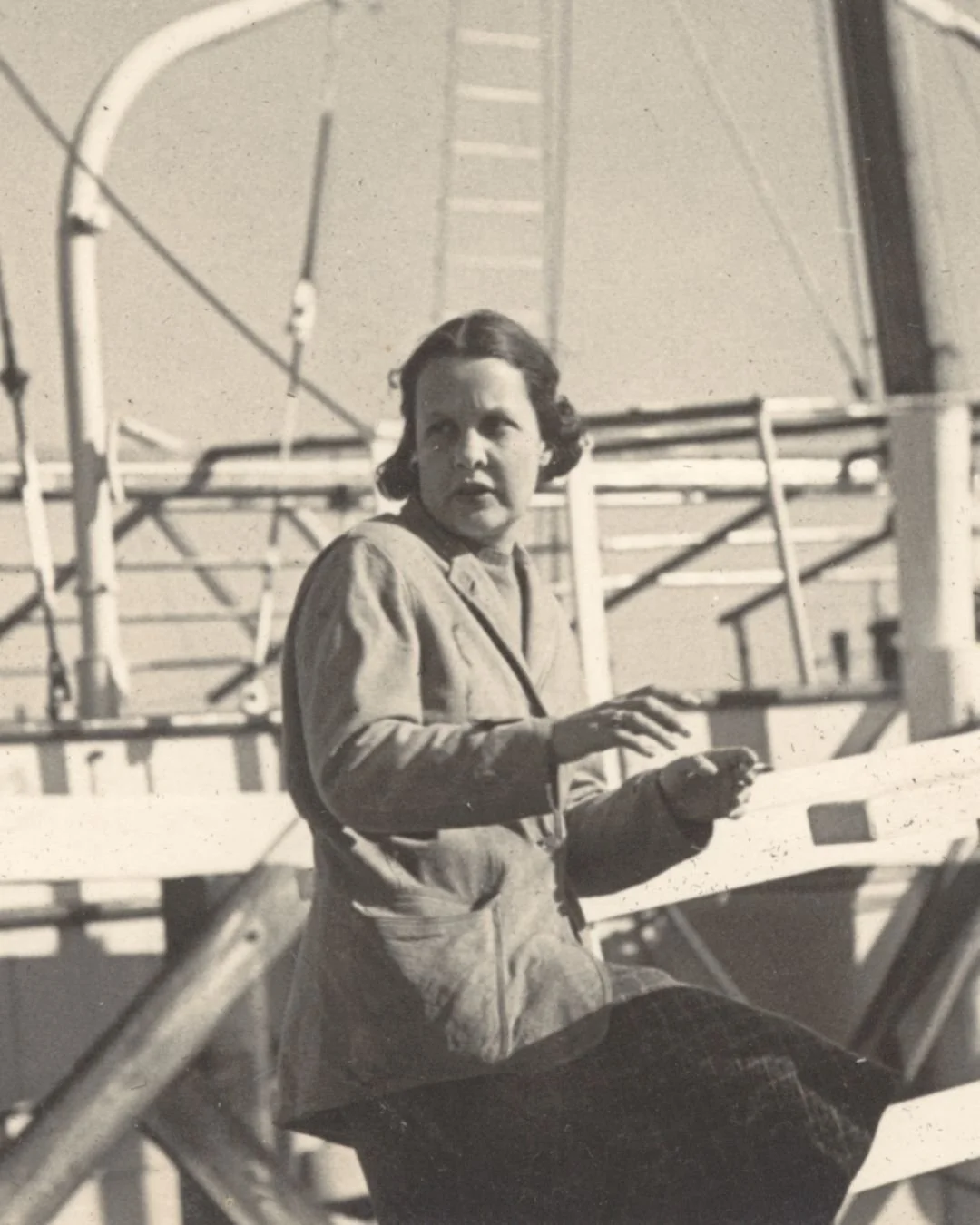
Image courtesy of the University of Georgia Skidaway Institute of Oceanography.
Elinor Adler Dillard
Elinor Adler Dillard combined business experience with a lifelong commitment to civic service. A niece of philanthropist Julius Rosenwald, she balanced work in her family business with leadership roles at Bethesda, Family Service, and the League of Women Voters. Her broad network of community connections and dedication to public service strengthened the coalition that became Historic Savannah Foundation.
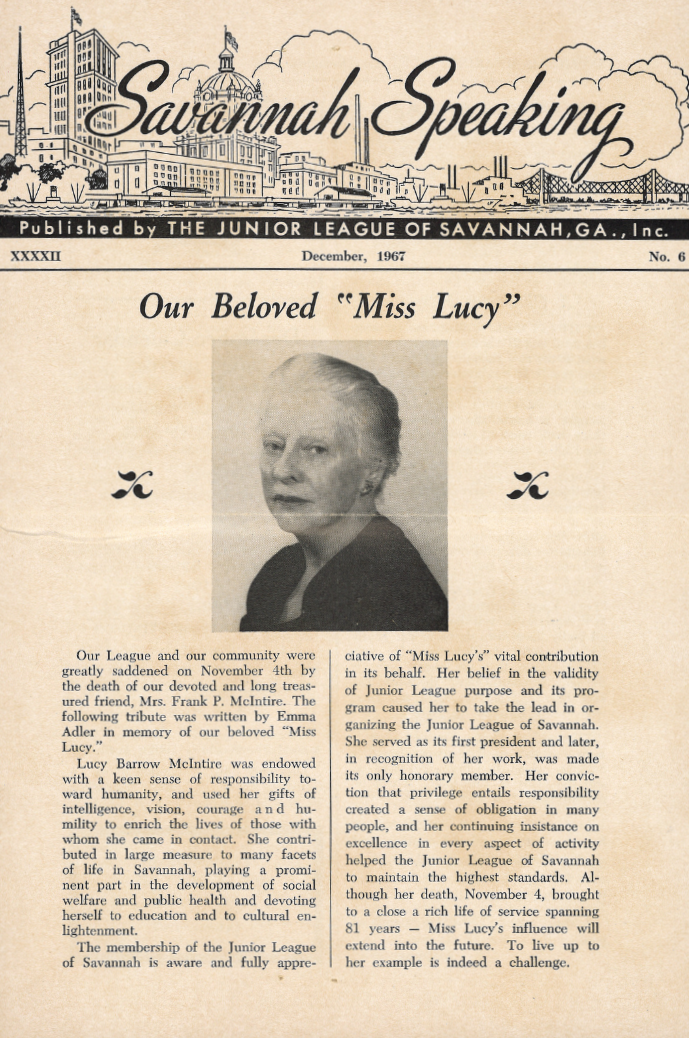
Lucy Barrow McIntire
Lucy Barrow McIntire devoted decades to civic and social service in Savannah. A leader in the suffrage movement, she helped found Savannah's League of Women Voters and Junior League, later serving as a field supervisor for the Works Progress Administration. During World War II, she organized Soldiers Social Service and led Red Cross relief efforts. Her lifelong ability to unite people around a common cause made her an invaluable leader in Savannah's early preservation movement.